


 All News
What is BIM in construction — and what it is not
This is, arguably, the most important question — and the most poorly answered — when it comes to BIM.
What does BIM mean in construction? Building Information Modelling is, above all, an information management methodology. It is not software. It is not a tool. It is the way people, processes and data are coordinated throughout the entire lifecycle of an asset: from design to construction, from operation to maintenance.
The software — Revit, Archicad, or any other platform — is merely the means. What BIM technology truly transforms in construction is the way information is created, shared and used by all project stakeholders.
It is this distinction that PortugalBIM — aligned with the expected revision of ISO 19650 in 2026 — comes to reinforce.
Where vertical integration makes the difference
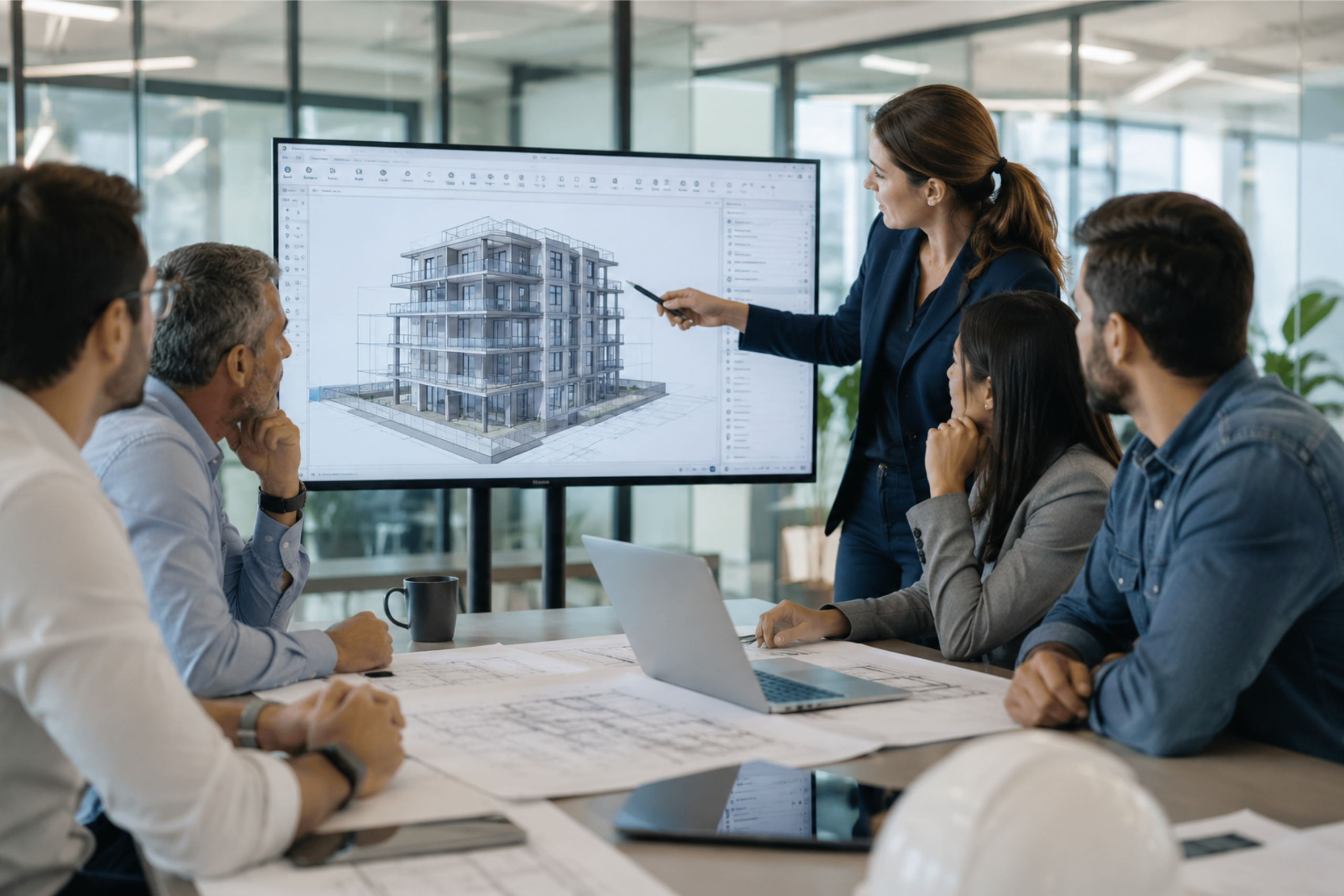
The advantages of BIM in construction are well documented: fewer coordination errors, more accurate quantity surveying, better-informed decisions. But for groups with an integrated business cycle — development, design, construction and asset management under the same ecosystem — the impact is of a different order.
When all departments share the same information model, coordination between stakeholders becomes more agile and decision-making has a common foundation. There is no need to translate information between teams because, structurally, they speak the same language.
This is where the use of BIM in construction transcends operational efficiency and becomes a genuine driver of quality and competitiveness.
Beyond traditional uses
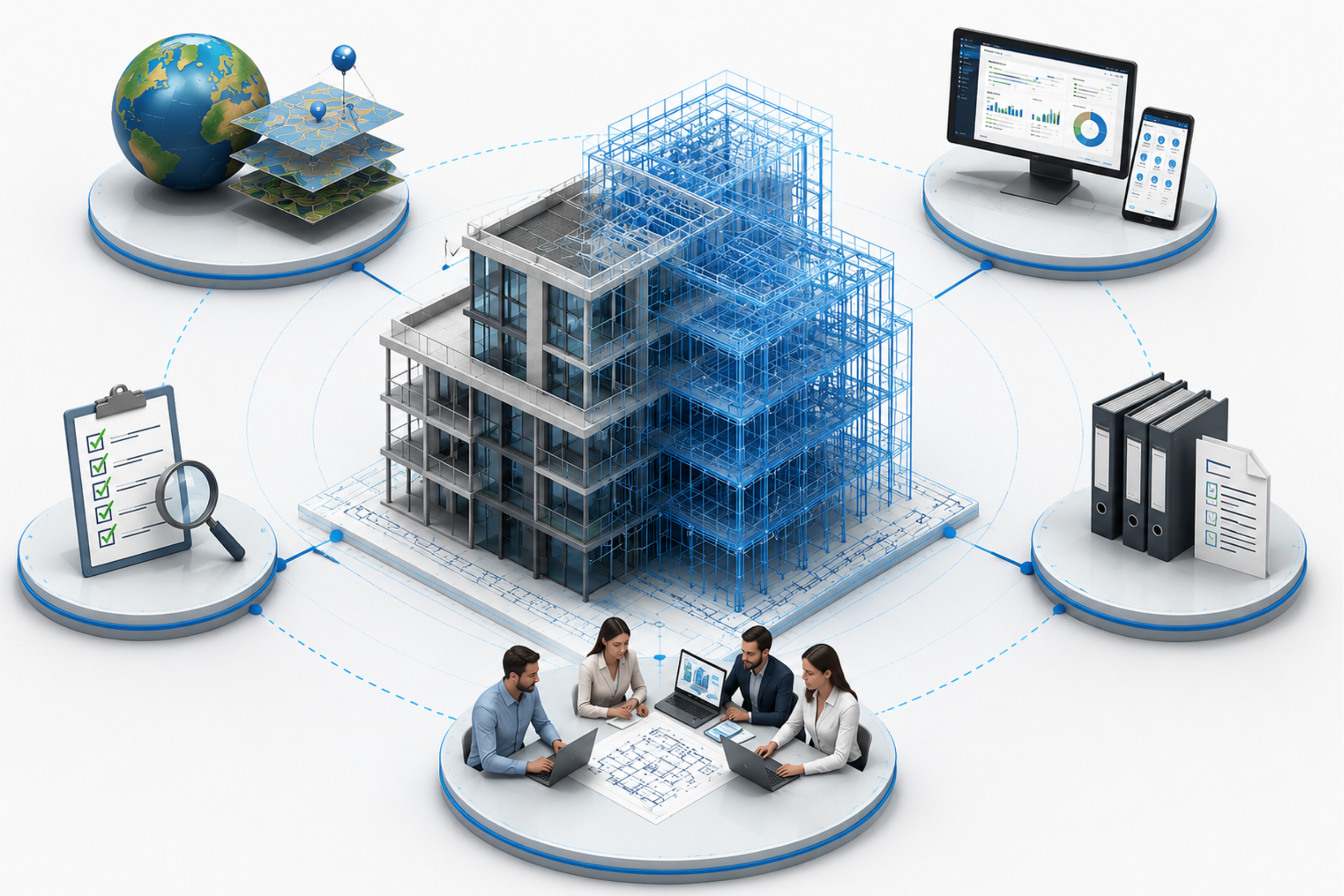
BIM methodology in construction has well-established applications: modelling, speciality coordination, quantity take-offs, cost estimation. But the evolution of the approach opens the door to a broader range of uses:
These uses represent the next frontier — and it is precisely here that the national strategy creates the conditions for the sector to advance together.
What changes with PortugalBIM
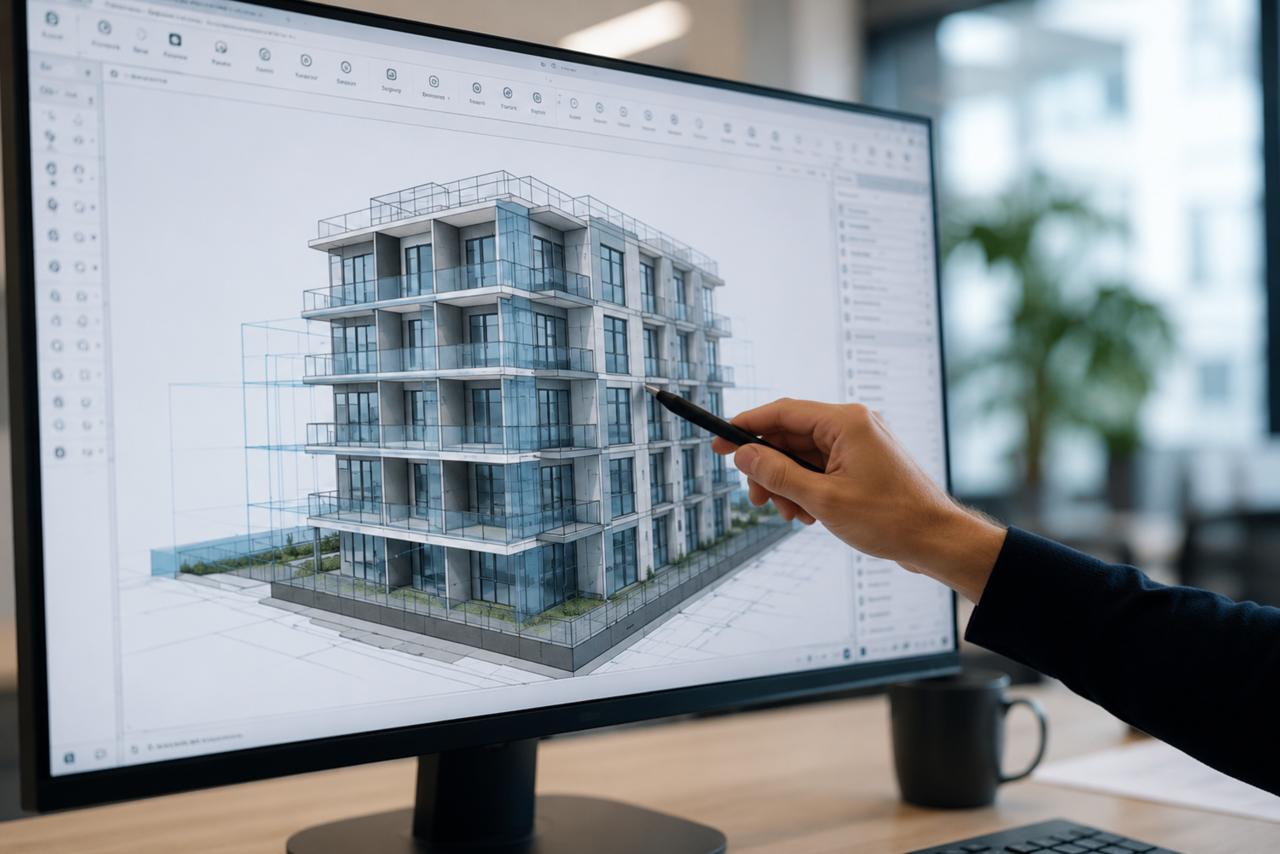
The national strategy serves two complementary purposes. On one hand, it establishes a common reference framework for all industry stakeholders — from developers and contractors to designers and asset owners. On the other, it aligns Portugal with European best practices, with direct implications for how projects are procured, assessed and financed.
For groups already working this way, PortugalBIM is above all a confirmation. For the sector as a whole, it is a starting point.
Information management as a competitive advantage
In a sector where the lifecycle of an asset can span decades, the ability to keep information organised, accessible and consistent — from the design phase through to building operations — is not a technical detail. It is a real competitive advantage.
PortugalBIM formalises this principle at a national level. At Castro Group, it confirms a path we were already on.
#BIM #PortugalBIM #CastroGroup #SustainableConstruction
Back to the top